
Bracing for Worst-Case Scenarios Is Now a Matter of Critical Necessity


Wildfires 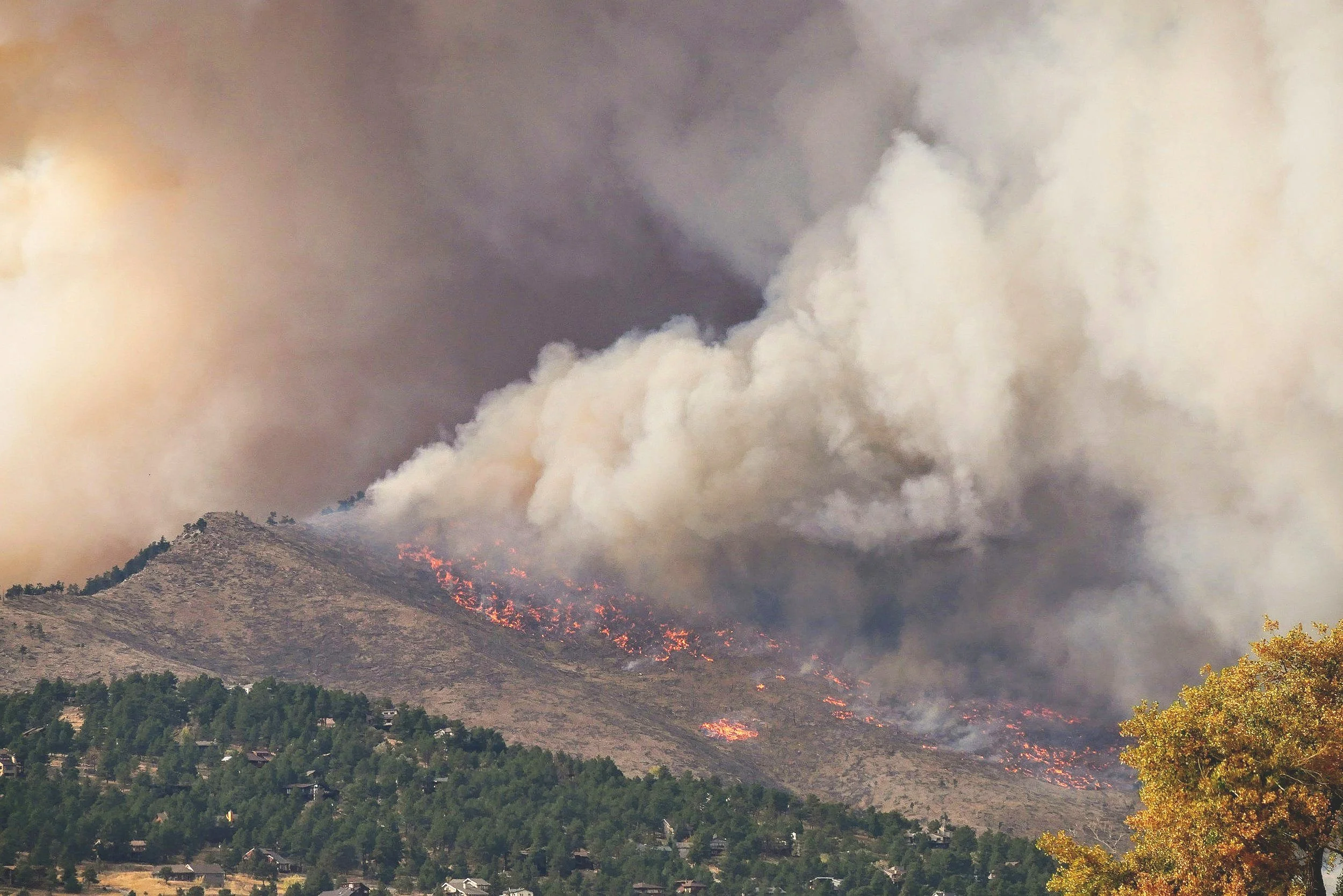
Wildland Fire Vehicles
California Wildfires
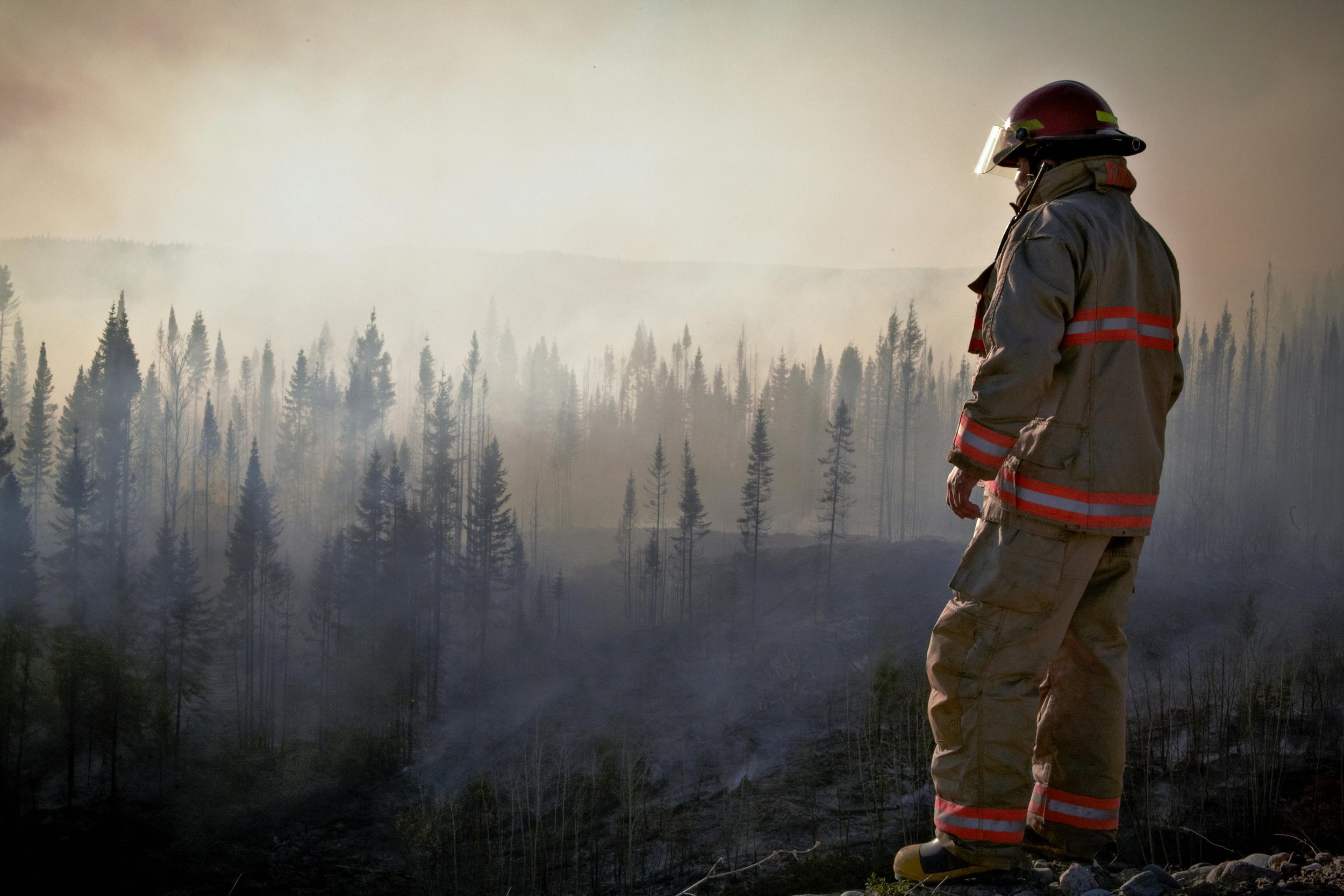
One global emergency gaining significant traction is the wildfire crisis. We have all witnessed countless images, videos, and media reports of raging, out-of-control blazes worldwide, highlighting both their immediate destruction and their long-term impacts. Evidence of the devastating power of today's extreme, resilient wildfires has become all too common.
When wildfires are not contained within the first 24 hours, they can easily escalate into massive, complex 'Megafires' that take weeks or months to control. As they burn, these catastrophic blazes release immense volumes of CO2 and toxic pollutants into the atmosphere every single hour.
Fire Response
W
In just the past decade, we have seen an unprecedented surge of record-breaking wildfires around the world and felt the destructive impacts they inflict. The challenges of responding to and fully containing these large-scale blazes cannot be overstated. Even today, it is increasingly clear that the ability of global firefighting agencies to rapidly achieve 100% containment using current resources and technology is severely compromised.
The consequences of prolonged modern Megafires—which often burn for weeks or months—are catastrophic. These blazes trigger severe respiratory and cardiovascular health issues from smoke inhalation, drive massive air and water pollution, and cause permanent environmental devastation through deforestation, soil erosion, and habitat loss. The resulting social and economic disruptions include widespread property loss, displacement, and acute mental health challenges, leaving communities to face secondary crises like landslides and water contamination long after the flames die down.
Wildfire-Fighting Vehicles
The Impacts of prolonged Wildfires:
-
Extended containment periods prolong public exposure to hazardous pollutants, shifting health risks from acute spikes to chronic threats.
Persistent Smoke Exposure: Prolonged fires trap fine particulate matter and hazardous air pollutants (HAPs), such as benzene and lead, in the atmosphere. Continuous exposure over weeks or months is linked to increased cardiovascular morbidity, chronic kidney disease, and elevated mortality rates long after the smoke clears.
Mental Health Strain: Extended displacement and the ongoing threat of an active fire cause profound psychological trauma. Studies show that rates of depression, anxiety, and PTSD can persist for up to a decade following a major wildfire event.
Compounding Heat Effects: Wildfires frequently coincide with extreme heat waves. When grid infrastructure fails or utilities implement Public Safety Power Shutoffs, residents are left without air conditioning or HEPA filtration, severely intensifying both heat- and smoke-related illnesses.
-
Large-scale wildfires that burn over extended periods rapidly overwhelm local, state, and national financial resources.
Direct Economic Loss: Total direct and indirect costs in the U.S. are estimated to range between $394 billion and $893 billion annually, encompassing property destruction, healthcare expenses, lost labor productivity, and rising insurance premiums. For instance, initial assessments of the 2025 Los Angeles-area wildfires suggest that localized damage and economic loss alone could reach $250 billion to $275 billion.
Supply Chain and Agriculture: Long-duration fires can close local businesses permanently and devastate critical farmland. Because affected California counties contribute billions to the state's GDP, disruptions to these agricultural hubs trigger national food price increases and supply shortages.
Insurance Crises: Extended fire events cause massive surges in claims—exceeding 31,000 claims for recent Southern California blazes alone—putting immense pressure on insurance providers to hike premiums or exit high-risk markets entirely.
State Budget Pressures: The escalating cost of long-term fire suppression strains municipal and state cash flows. Communities severely impacted by these blazes experience a 25-percentage-point increase in the probability of running a budget deficit.
-
Prolonged, high-intensity fires fundamentally alter landscapes in ways that severely hinder natural ecosystem recovery:
Soil Degradation: Intense, long-burning heat vaporizes vital nutrients and creates a hydrophobic (water-repellent) soil layer, accelerating erosion and inhibiting seed germination.
Hydrological Risks: Because barren, charred ground loses its ability to absorb moisture, the risk of catastrophic flash floods and mudflows increases dramatically for up to five years post-fire.
Aquatic Ecosystem Contamination: Ash, heavy debris, and chemical retardants wash into surrounding waterways, poisoning aquatic life, damaging filter feeders, and disrupting vital marine breeding grounds.
Ecological Type Conversion: When fires burn too long or too hot, native forests often fail to regenerate entirely. This allows invasive, less resilient vegetation types to permanently replace native ecosystems.
Atmospheric Feedback Loops: These massive blazes release immense volumes of sequestered carbon dioxide and greenhouse gases, accelerating global warming and actively fueling the conditions for future extreme fire seasons.
-
When a single fire burns over months, it exhausts critical suppression resources and cripples regional response capabilities:
Personnel Fatigue: Continuous deployment leads to severe physical exhaustion, skyrocketing injury rates, and long-term health risks for firefights.
Resource Depletion: Miscalculating containment timelines keeps vital equipment tied up, causing severe machinery and personnel shortages when new fire starts emerge elsewhere.
-
Wildfires produce an array of greenhouse gases and aerosols, including carbon dioxide, methane, and black carbon:
Carbon Dioxide (CO2): Globally, wildfires in 2021 released approximately 1.8 billion tons of CO2 into the atmosphere, compared to roughly 38 billion tons emitted by fossil fuels and industry.
Methane (CH4): Wildfires emit significant volumes of methane, with recent data showing global fire methane emissions averaged 24 million tons annually between 2003 and 2020. Despite its relatively short atmospheric lifetime of 12 years, methane is 80 to 84 times more potent than CO2 at trapping heat over a 20-year timeline.
Black Carbon: Commonly known as soot, black carbon is a primary component of fine particulate air pollution (PM2.5) formed by incomplete combustion. It accelerates atmospheric warming by highly efficiently absorbing solar radiation, which warms surrounding air masses, alters regional weather patterns, and disrupts ecosystem cycles.
Wildland Fire Trucks
Forest Fire Fighting Vehicles
Forest Fire Engines
The widespread devastation inflicted by catastrophic wildfires cements their status as a severe global threat. Consequently, engineering more efficient fire management and containment methods has become an urgent operational necessity.